
Guide 2B Latitudes
Products
Quiz, Media, & Portfolio Directions
Review Latitudes Contents
Latitudes Objectives

Polar & Tundra
Describe the climate and organisms of the polar regions, including threats to polar carnivores; describe the climate and organisms of the tundra, including plant characteristics; list and utilize seven steps to quickly assess and collect information on a field site.

Taiga
Provide the climate characteristics of taiga boreal coniferous forests; distinguish between angiosperm and gymnosperm trees, providing characteristics and examples of each; and identify different types of conifers, including pine, fir, spruce, cedar, and sequoia.

Temperate Forests
Compare and contrast deciduous, coniferous, mixed, and rainforest temperate ecosystems; explain the ecosystem role of features of complex old growth forests, including snags and nurse logs; and describe fern plants including their structures and ecological roles.

Tropical Rainforests
Describe the location, climate, and biodiversity characteristics of a tropical rainforest; explain how tropical rainforest soils can be relatively nutrient-poor while the ecosystem has high productivity and biodiversity; and define what an epiphyte is, explain why they have this strategy, and provide examples.
Latitudes Quiz
Quiz Directions
Complete all four sections and take the quiz on Canvas.
Use the learning objectives above to guide your studying.

Latitudes Media
Introduced in Polar & Tundra section of this guide:
Seven Steps
Select a field location. You do not need to go far, this can be close to where you live, but does need to have organisms. It can be a park, yard or basement areas with spiders and insects. You are putting into practice the seven steps, beginning with selecting the site and planning what you will be doing. Consider safety with each step.
You are capturing information for each step and this could be notes, captioned photos, and/or a video. We will have more specific field assignments in upcoming guides.
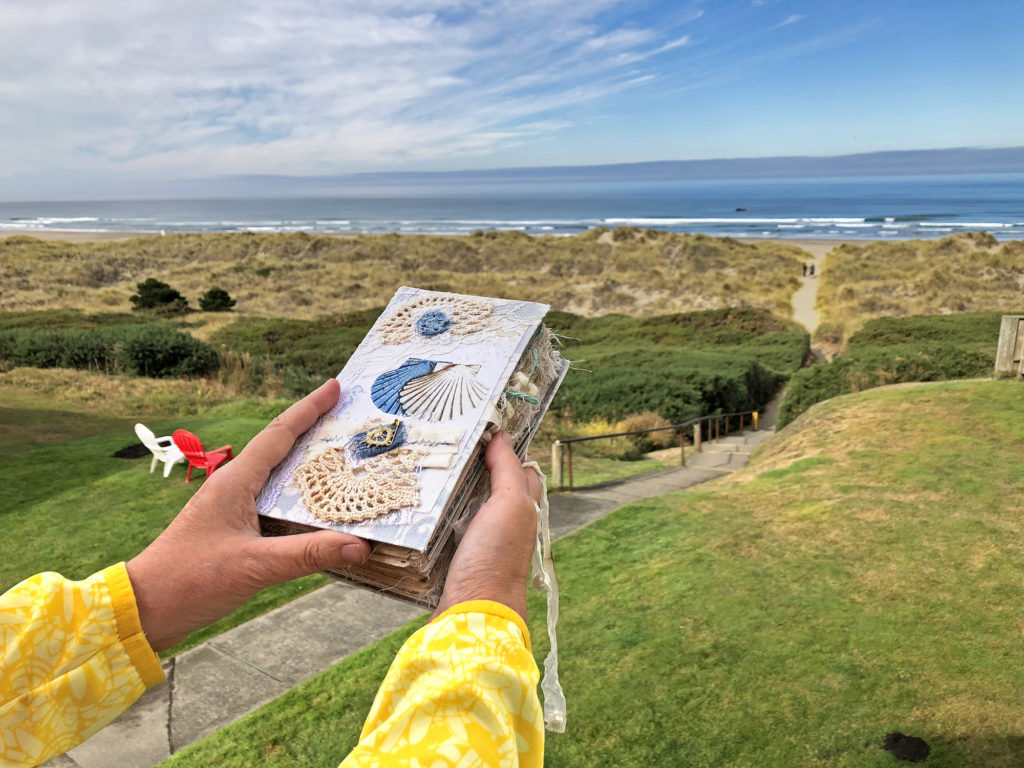
Include in your notes for a single location:
-
Numbered 1 through 7, information for each of the seven steps to begin work at a field site: planning/site selection criteria, scan of location, climate, topography, as well as information on observable biodiversity, ecology, and conservation biology.
-
your observations can be notes, labeled photos, video with commentary, or a combination of media. If the file is large, it may help to host on another site (like YouTube, Vimeo, etc.) and upload the link to Canvas.
Media Directions
To be completed after taking the quiz on Canvas.
Upload your media utilizing the seven steps on location to Canvas. Your work can be submitted as a PDF, a word document, captioned photos, or even a video. Multiple assignment formats are supported.
Portfolio
Portfolio Directions
Your seven steps on location are the perfect addition to your portfolio. Look over the course outcomes and determine which outcome this assignment would match. You can already be assembling your final project!
Learn more about Latitudes
If you would like to learn more about the topics introduced in this course, please visit the resources page.

Back to Module 2
This week’s overview

Previous Guide
2A: Biosphere